Odor Removal articles and resources
Deeper reads on scope, safety, insurance and hiring, written for property owners.
Read useful articles on humidity and returning odors, rental turnovers after smoking, skunk and sewage cleanup, and when a smell is a health warning.
Get an email reply about odor removal
Send a short message to the follow-up inbox. A coordinator can reply by email. This form does not send emergency help; call 911 first if anyone is in danger.
Browse odor removal articles

Evidence-led educational articles about odor removal. Stay informed about safety standards, best practices, and what to expect from professional remediation.
What to Expect During Professional Odor Removal
A professional odor job moves from investigation to source removal, sealing, air treatment, and verification. Here is what each stage looks ...
The Science Behind Odor Removal
Odors are molecules released from a physical source. Learn how volatility, porous materials, and chemistry explain why source removal beats ...
How Long Does Odor Removal Take?
Odor jobs range from one visit to several weeks. See how the source, materials, drying, sealing, and verification each add time to professio...
How to Evaluate Equipment Proposed for Odor Removal
Ozone machines, foggers, hydroxyl units, carbon scrubbers, and UV lights all show up in odor quotes. Learn what each one does and when it tr...
DIY vs Professional Odor Removal: The Critical Differences
Some smells are a weekend project; others need a pro. Learn where DIY odor removal works, where it backfires, and the warning signs that it ...
10 Odor Removal Safety Risks to Assess Before Work Begins
Odor jobs can hide gas leaks, biological hazards, mold, ozone exposure, and fire risk. Review ten safety risks to check before any odor remo...
OSHA Regulations and Odor Removal
No OSHA rule is titled odor removal, yet ozone limits, respirator programs, bloodborne pathogen duties, and chemical labels all shape how od...
PPE Planning for Odor Removal: Start With the Hazard Assessment
Odor jobs shift from tracing a smell to tearing out pad, washing soot, sealing, and fogging. PPE should change with each phase, guided by a ...
What Drives Odor Removal Cost?
Odor removal pricing follows the source, how deep it soaked in, and what must be torn out. See what moves a quote for pet, smoke, and decomp...
Does Homeowners Insurance Cover Odor Removal?
Whether insurance pays for odor removal hinges on what caused the smell. Learn how carriers view smoke, decomposition, pet, and sewage odors...
How to Compare Low and High Odor Removal Bids
One odor bid may mask a smell with a single treatment while another removes pad, seals subfloor, and verifies results. Learn to compare odor...
Which Federal, State, and Local Rules Apply to Odor Removal?
Odor work can touch pesticide labels, ozone device rules, lead paint limits, contractor licenses and smoke-free laws. Learn which layers app...
How to Research Waste Rules for Odor Removal
Odor jobs leave carpet, drywall, filters, rinse water, and leftover sealers. Learn how to research which EPA, state, and local disposal rule...
10 Questions to Ask Before Hiring an Odor Removal Company
Ask an odor company how it finds the source, what it removes, which air treatment it uses, and how it proves the smell is gone before you si...
Red Flags When Hiring Odor Removal Services
Phone quotes, ozone run in occupied rooms, and scopes that never mention the source are warning signs. Here is how to spot a weak odor remov...
Training, Documentation, and Credentials for Odor Removal
What training should an odor removal technician have? Learn which certifications apply, what records to request, and how to verify a crew be...
Managing Stress and Disruption During Odor Removal
A smell that will not leave can wear on your sleep, your pride in your home, and your relationships. Here is how to ease the stress of odor ...
How Odor Removal Practice Has Changed
Odor removal moved from masking scents to source removal, sealing, and air treatment backed by standards. Here is how the practice changed a...
The Difference Between Cleaning and Disinfection in Odor Removal
Cleaning removes the residue that smells, disinfection kills microbes that make more of it, and deodorizing handles what lingers. Here is ho...
Odor Removal for Property Managers: What You Need to Know
Smoke film, pet saturation, and death odor can stall a unit turnover. Learn how property managers scope odor work, document it, and avoid re...
When ATP Testing Helps—and When It Does Not—in Odor Removal
ATP swabs measure organic residue on surfaces, not smell in the air. Learn where ATP readings help an odor job, where they mislead, and what...
Odor Removal Planning Example: Building a Defensible Scope
A hypothetical estate townhouse with decades of smoke and a damp basement shows how to build an odor scope that is traceable, testable, and ...
Urgent Odor Removal: What to Do Before a Provider Arrives
A sudden, strong smell can be a safety warning. Learn what to do first for gas, sewer, death, and fire odors, and what to leave alone until ...
Commercial vs Residential Odor Removal
Restaurants, offices, and hotels face odor sources, ventilation, and occupancy limits that homes do not. See how commercial and home odor jo...
Environmental Responsibility in Odor Removal
Fewer chemicals, less landfill, and cleaner indoor air start with finding the odor source. See how responsible odor removal limits waste and...
How to Evaluate Technology Used in Odor Removal
Hydroxyl units, ozone, thermal fogging, and smart sensors all promise results. Learn to judge odor removal technology by what it does to the...
Mental Health Resources During Odor Removal
A smell tied to a death, a hoarded home, or a lost pet can weigh on you long after cleanup. Find support options and ways to cope during odo...
When Enzymes or Microbial Products Fit Odor Removal
Enzyme and bacterial cleaners can digest urine, vomit, and food residue, but not smoke or chemical odors. Learn when bio-based products fit ...
How to Compare Local and National Odor Removal Providers
Independent odor specialists and national franchise brands each have strengths. Compare them on diagnosis, who does the work, follow-up, and...
Questions about odor removal?
If the articles did not answer your question, send a short message and a coordinator will reply by email.
Your request is sent to the follow-up inbox. A coordinator can reply by email.
If anyone is hurt or in danger, call 911 first.
Odor Removal figures our articles draw on
- $497 million
A CDC study estimated smoke-free policies in all US subsidized housing would save $497 million per year, including $134 million in renovation costs and $53 million in fire losses.
Read with care: Modeled estimate from 2014 that combines health care, renovation, and fire costs rather than measured spending.
Source: CDC (2014)US government-subsidized housing, about 7 million residents; Preventing Chronic Disease study
- 2 months
A 2011 Tobacco Control study found thirdhand smoke residue persisted in former smokers' homes even after two months vacant plus cleaning and preparation for new residents.
Read with care: Small regional sample and standard turnover cleaning, not professional odor remediation.
Source: Tobacco Control (BMJ) (2011)San Diego area; 100 smoker and 50 nonsmoker homes measured before and after turnover
- $650
Fixr reports a national average pet odor removal cost of $650, with most homeowners paying $500 to $800 and enzyme cleaning running $30 to $40 per room.
Read with care: Cost-guide estimates, not surveyed invoices; severe subfloor cases can exceed $1,250.
Source: Fixr (2025)US national estimate updated January 31, 2025
These figures are public research and agency data, not this network's own job records. Keep each number with its population, year and limits; none of them predicts cost, timing or outcome at a specific property.
How to use these articles
Where should I start if I have never dealt with a serious odor before?
Begin with the article on what to expect during professional odor removal. It walks through the inspection, scope, source removal, sealing, air treatment, and final check. Then read the science behind odor removal to learn why smells hide in soft materials. With that base, the articles on cost factors, comparing bids, and questions to ask a company will make more sense. They will also help you judge the plans you get.
Which article should I read first if a smell appeared suddenly today?
Start with urgent odor removal and what to do first. It helps you decide whether the smell is an emergency, like a possible gas leak or a suspected death, or a problem that can wait for an inspection. It also covers what to avoid while you wait. Then read the article on top safety risks. Use the first 24 hours planner in the tools section for a list of steps in order.
Which articles pair with the odor cost estimator and the vetting checklist?
The cost factors and bid comparison articles explain why removing carpet pad or sealing a subfloor changes the price. The cost estimator turns that into a range for your own rooms. The hiring articles go with the provider vetting checklist, so you know why each question about finding the source matters. The insurance article goes with the claim organizer. Reading the article first usually makes the tool easier to fill in.
I am a landlord preparing a unit for a new tenant. Which articles fit best?
Read the article on odor removal for property managers first. It covers turnover walk-throughs, shared walls, scopes of work, and deposit records. Then read how long odor removal takes to plan your schedule. Read the federal, state, and local rules article for questions about permits and older buildings. The business versus home article helps if you manage a building with many units or with both homes and businesses.
Are the case examples in the articles real clients?
No. The examples are made-up blends written to show how choices play out, and each one is labeled that way. They are not stories about real properties, people, or outcomes. Use them to see the thinking behind a scope of work or an order of steps. Then compare that thinking with what your own provider suggests for your home.
Which articles help if the odor is tied to a loss or a hard situation?
Two articles cover stress, grief, family tension, and how to care for yourself while work is going on. One is on mental health resources during odor removal. The other is on how odor problems affect you emotionally. They explain that you do not need to be there for the work, and they suggest ways to hand off tasks. If you are struggling or thinking about suicide, you can call or text 988 at any hour.
How should I use the articles alongside advice from a provider who has seen my home?
Use the articles to understand the options and to prepare questions. Then give weight to a qualified provider who has really inspected your space. If a provider's plan differs from what an article describes, ask why. There may be a good reason tied to your building. Or the difference may point to a gap in the plan. The articles are general learning, not a diagnosis of your property.
More on odor removal
Odor Removal services
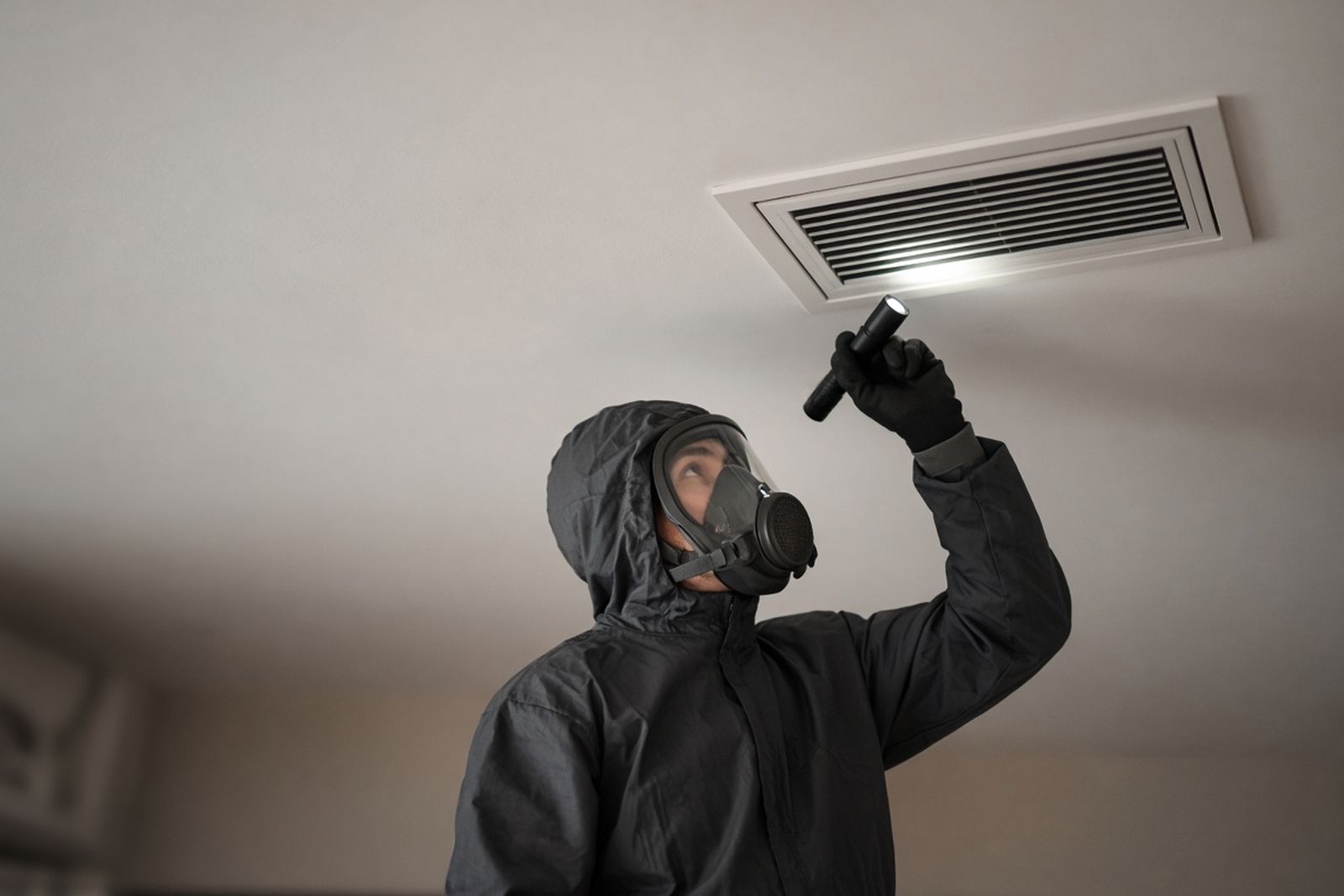
See how professionals trace death, pet, smoke, sewage, and musty odors to their source and remove it before any air treatment begins.
Costs explained
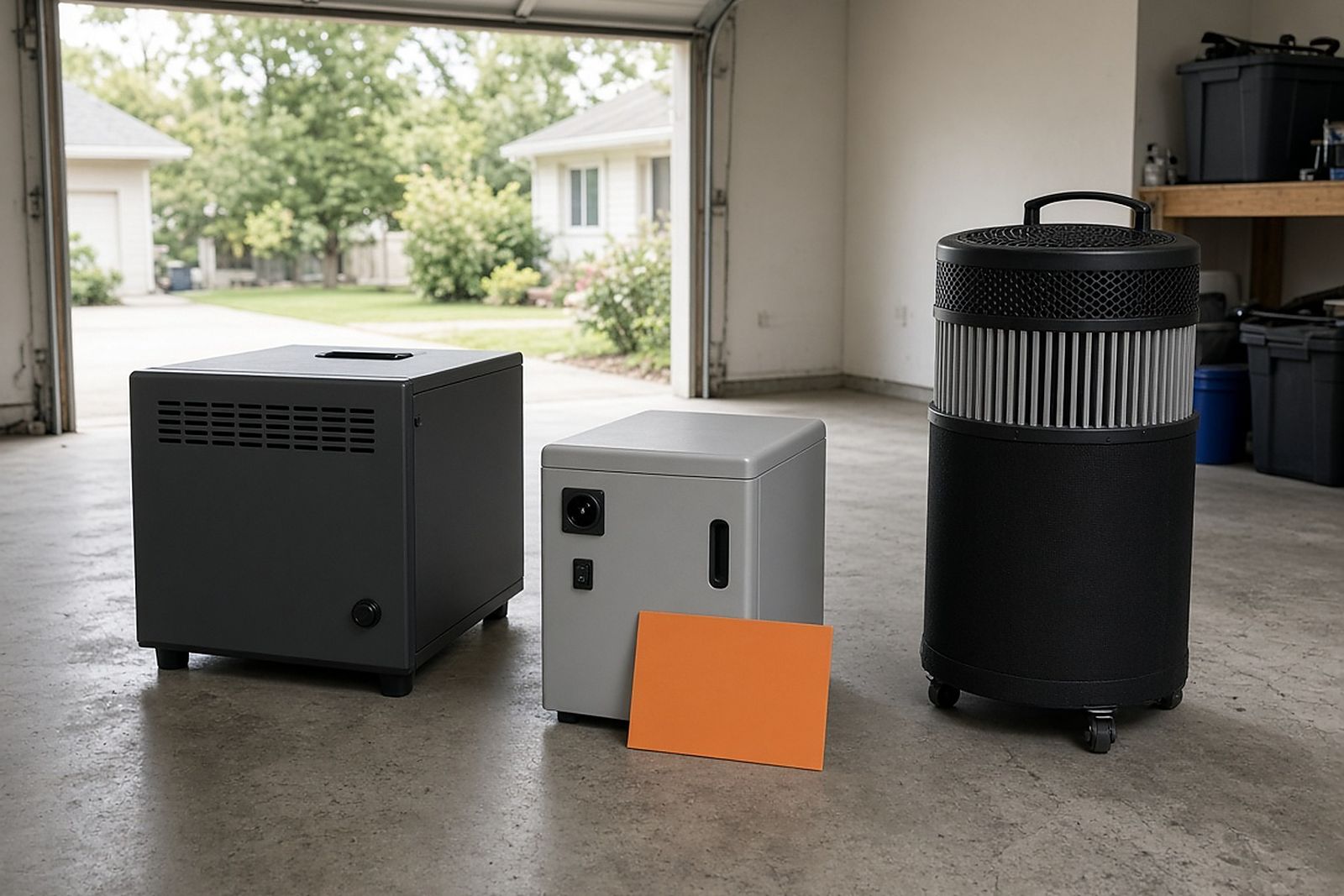
What drives the price, published cost ranges, and how to read a written quote line by line.

Insurance and payment
Which policies may respond, how to document a claim, and what to do if coverage is denied.
Planning tools
Estimate the job, check a provider, organize a claim, plan your first day, sort removed material, and decide if this odor job is safe to do yourself.
Community polls
See how other homeowners, renters, and landlords handled stubborn smells, what they tried first, and how they knew when an odor was really gone.
Knowledge quiz
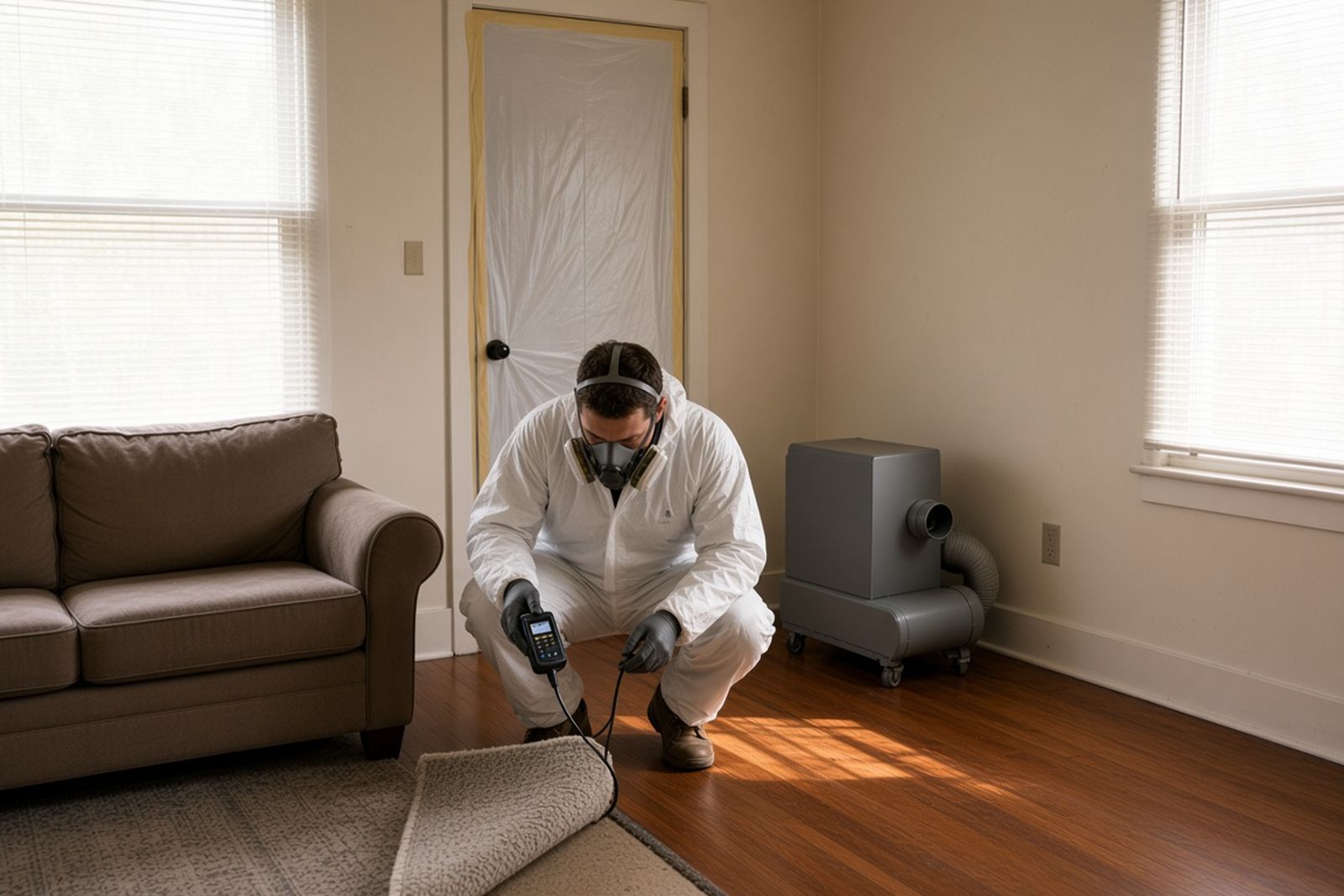
Test what you know about where odors hide, safe use of air machines, how ducts spread smells, and why covering a smell is not the same as removing it.