Odor Removal community polls
See how other people handled the same decisions, then add your own answer.
Odor problems sit in a gray zone. No inspector shows up to say a smell is gone. And most homeowners cannot afford a lab test that settles it. That leaves people relying on what others tried and what worked. Community opinion fills that gap. Say hundreds of readers share whether their pet urine smell came back after using a rental machine. Or whether a landlord accepted a smoke-cleaning bill, or whether they regretted skipping an inspection. The pattern is useful even if any single answer is not. These polls show you what your neighbors expected, what surprised them, and where common shortcuts tend to fail. Treat them as a conversation, not as instructions.
Get an email reply about odor removal
Send a short message to the follow-up inbox. A coordinator can reply by email. This form does not send emergency help; call 911 first if anyone is in danger.
Vote on the questions that matter here
Every count is a real visitor vote; nothing is seeded or padded. One vote per poll per device, and you can change your answer.
When a persistent smell first appeared in your home, what did you try first?
How long did you live with a recurring odor before seeking outside help?
Which odor source would make you most likely to hire a professional rather than handle it yourself?
When comparing odor removal quotes, which factor mattered most to you?
As a landlord or tenant, who do you believe should pay for smoke residue cleaning at move-out?
Would you buy a home with a noticeable musty or pet odor if the price were reduced?
Why opinions matter in odor removal
The choices people face with odor are often about money and patience. Do you rip out the carpet or try one more enzyme treatment? Do you accept a house with a faint musty smell at a lower price? Do you let a tenant move in after the paint dries, or wait for a second sniff test on a humid day? Do you tell a buyer about the death odor you spent months removing? Those calls involve trade-offs between cost, time, telling others, and health. A poll cannot make the choice for you. But it can show how many others weighed the same question and which way they leaned. That context can steady you through a stressful choice.
Use the results wisely. A majority opinion on a poll is not proof about your building. The readers who answer may be the ones with the worst experiences, or the ones most eager to share a success. Odor sources differ by climate, type of building, and how long the problem sat. What the polls can do is give you a list of questions to raise with a provider, an inspector, or a landlord. They also give you a sense of which outcomes are common enough to plan for. If a poll result goes against what a qualified professional tells you about your own space, trust the professional who has seen it.
How to read poll results
An opinion poll on this page records what visitors picked from a short list of options. It is fast, informal, and not checked. Nobody checks whether the person answering really had a smoke-damaged house or just found the question interesting. That does not make the results worthless. But it does mean the numbers describe a group of readers who chose to answer, not all homes with odor problems. Look at polls for general direction and for the range of experiences people report. Expect the mix to shift as more people answer.
The sourced numbers elsewhere on this site come from agencies, industry groups, or published studies. Each one is tied to a source you can check. Those numbers were gathered with a set method from a set group of people. That is why they can support a decision in a way a poll cannot. When the two seem to disagree, it is usually because they measure different things. A poll shows what readers believe or remember. A sourced number shows what a researcher measured. Keep them in separate columns in your mind and you will read both correctly.
How voting works
One vote per poll per device; you can change your answer. Votes are stored as anonymous counts with a salted, hashed identifier and never linked to a name, email or form submission.
Opinion versus observation
Findings from published studies of people and properties in situations like this one. They describe what researchers observed in a specific group; they are not predictions for your case.
Well-being in North Denver and Greeley was not significantly different from Fort Collins or Fort Lupton.
Stronger livestock odor was associated with higher lower-respiratory symptom scores.
Sourced numbers next to the opinions
Polls show what visitors think. These figures come from published research and agency data, so you can compare perception with evidence.
- 19.8%
In 2022, 19.8% of US adults, about 49.2 million people, smoked cigarettes according to CDC's National Health Interview Survey.
Read with care: Counts current smokers, not the number of homes with smoke residue, and does not include vaping or cannabis.
Source: CDC (2024)US adults 18+, 2022 NHIS
- 34%
About 34% of multiunit housing residents with voluntary smoke-free home rules reported secondhand smoke entering their unit from elsewhere in the building, per CDC's 2013-2014 National Adult Tobacco Survey.
Read with care: Self-reported exposure from a decade-old survey; incursion rates vary by building type and local policy.
Source: CDC (2016)US multiunit housing residents, 2013-2014 NATS, American Journal of Preventive Medicine
- 71%
NAR's Animal House report found 71% of households include pets and 16% of home buyers say pets influence their choice of neighborhood.
Read with care: The infographic does not report a percentage specifically about pet odor affecting sales.
Source: National Association of Realtors (2020)US households and home buyers, NAR member and consumer surveys
- 343,000
The US Fire Administration estimates 343,000 residential building fires in 2024, with cooking the leading cause at 46.7% of incidents.
Read with care: Counts reported fires, not the number of homes needing smoke odor treatment, and excludes unreported small fires.
Source: US Fire Administration (FEMA) (2024)US residential buildings, 2024 national estimate
These figures are public research and agency data, not this network's own job records. Keep each number with its population, year and limits; none of them predicts cost, timing or outcome at a specific property.
Questions about odor removal polls
Who answers the polls on this site?
Anyone who visits the page can answer. Most who answer are homeowners, renters, landlords, and buyers who searched for help with a smell that will not go away. Some are workers in cleaning and restoration. Answers are anonymous and are not checked against any record. That mix helps you understand what people commonly expect. But it means results show the people who chose to take part, not a fair sample of all homes.
Can I use a poll result to argue with my landlord or insurer?
It is not a strong basis for a dispute. A landlord or claims adjuster will respond to records about your unit. That means photos, moisture readings, a provider's written scope of work, and the wording of the lease or policy. A poll that shows what other readers went through does not describe your case. You can use poll results to prepare questions. But bring records when you need to convince someone who decides the outcome.
Why do some poll answers seem to contradict the guides?
The guides describe what professionals and public agencies advise. Polls describe what readers really did, and people often take shortcuts, especially with a smell that feels cosmetic. Say a large share of people report trying a rental ozone machine first. That tells you a shortcut is popular, not that it is wise. Read the gap between the two as a sign of where people's expectations and best practice split apart.
Do poll results change over time?
Yes. Results update as new visitors answer, so the mix you see today may differ from what someone saw last season. Early results can swing on a small number of answers. If a question interests you, check back after it has more answers before you draw conclusions. Also remember that the direction of a result tells you more than the exact split does.
Are the poll questions written to push a particular answer?
They are written to avoid it. Each question offers balanced options that include the choices people really make, even ones the guides would advise against. That way readers can answer honestly. If an option seems to be missing or a question feels slanted, report it through the site contact page so it can be fixed. Honest polls depend on options that do not shame anyone into picking the "right" answer.
Should I answer if my odor situation is still unresolved?
Yes, if the question fits your experience so far. Many questions ask about expectations, first steps, or what you would do next, and those are answerable at any stage. Questions about outcomes are better answered after you know how things turned out. Answering thoughtfully helps future readers who are standing where you are now, and it costs nothing but a click.
Can I see how professionals answered versus homeowners?
Not right now. Polls do not collect any information about who is answering. That keeps them anonymous and quick, but it also means results cannot be split by role. If you want a professional view on a certain question, the guides and the provider vetting tool are the better place to look. A checked provider can also tell you how your type of building tends to behave.
More on odor removal
Odor Removal services
See how professionals trace death, pet, smoke, sewage, and musty odors to their source and remove it before any air treatment begins.
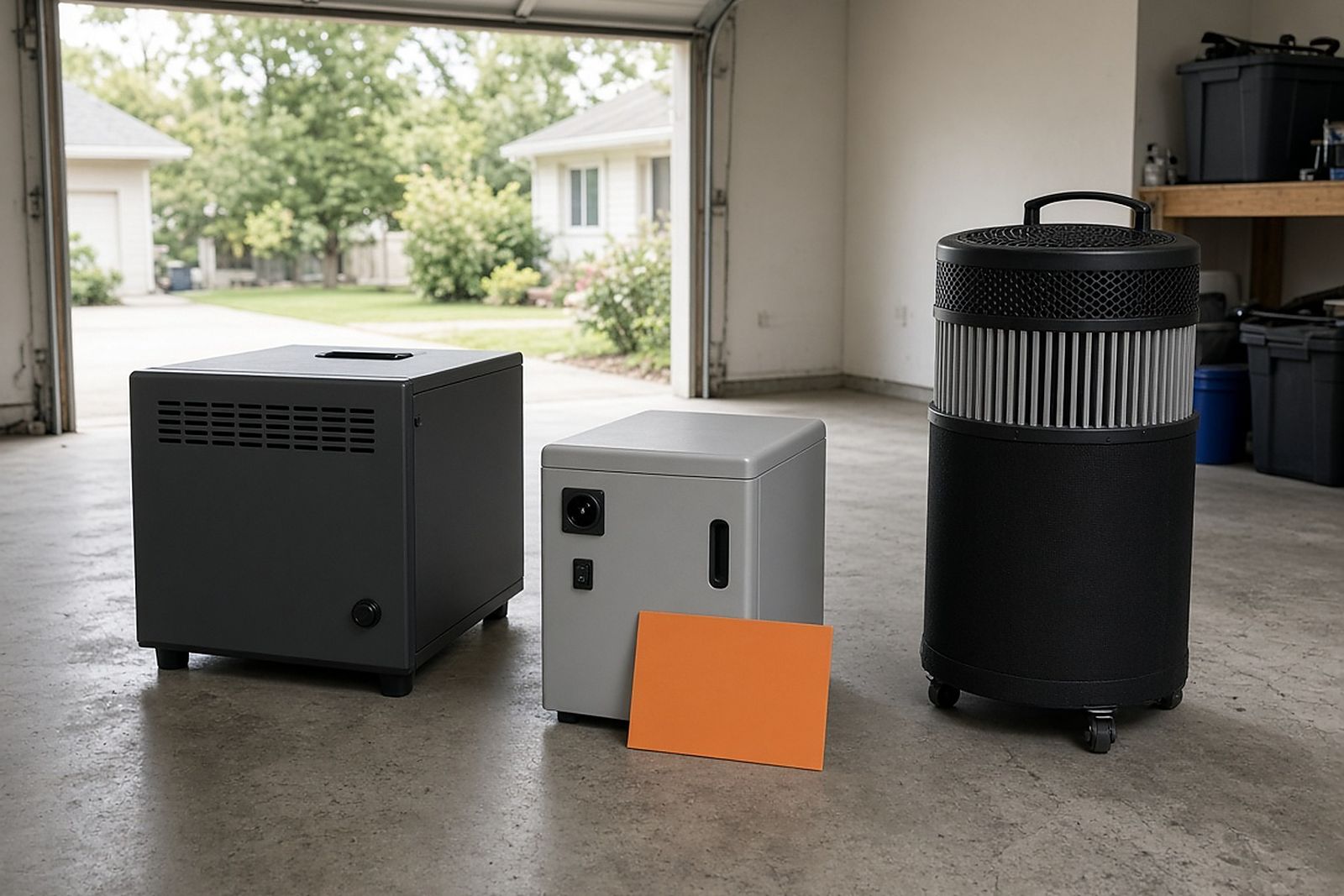
Costs explained
What drives the price, published cost ranges, and how to read a written quote line by line.
Insurance and payment
Which policies may respond, how to document a claim, and what to do if coverage is denied.
Planning tools
Estimate the job, check a provider, organize a claim, plan your first day, sort removed material, and decide if this odor job is safe to do yourself.
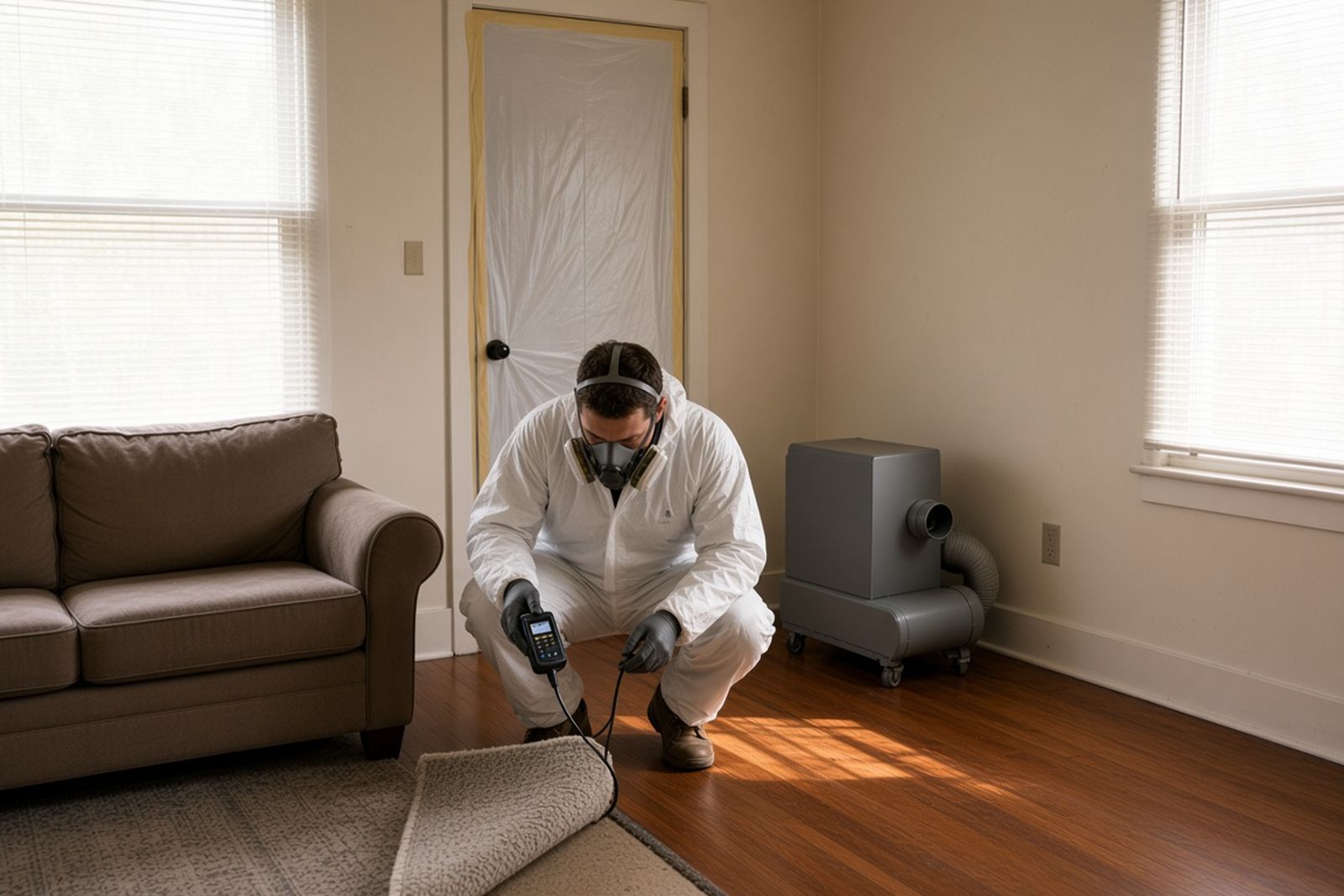
Knowledge quiz
Test what you know about where odors hide, safe use of air machines, how ducts spread smells, and why covering a smell is not the same as removing it.
Articles and resources
Read useful articles on humidity and returning odors, rental turnovers after smoking, skunk and sewage cleanup, and when a smell is a health warning.