1Identifying the source
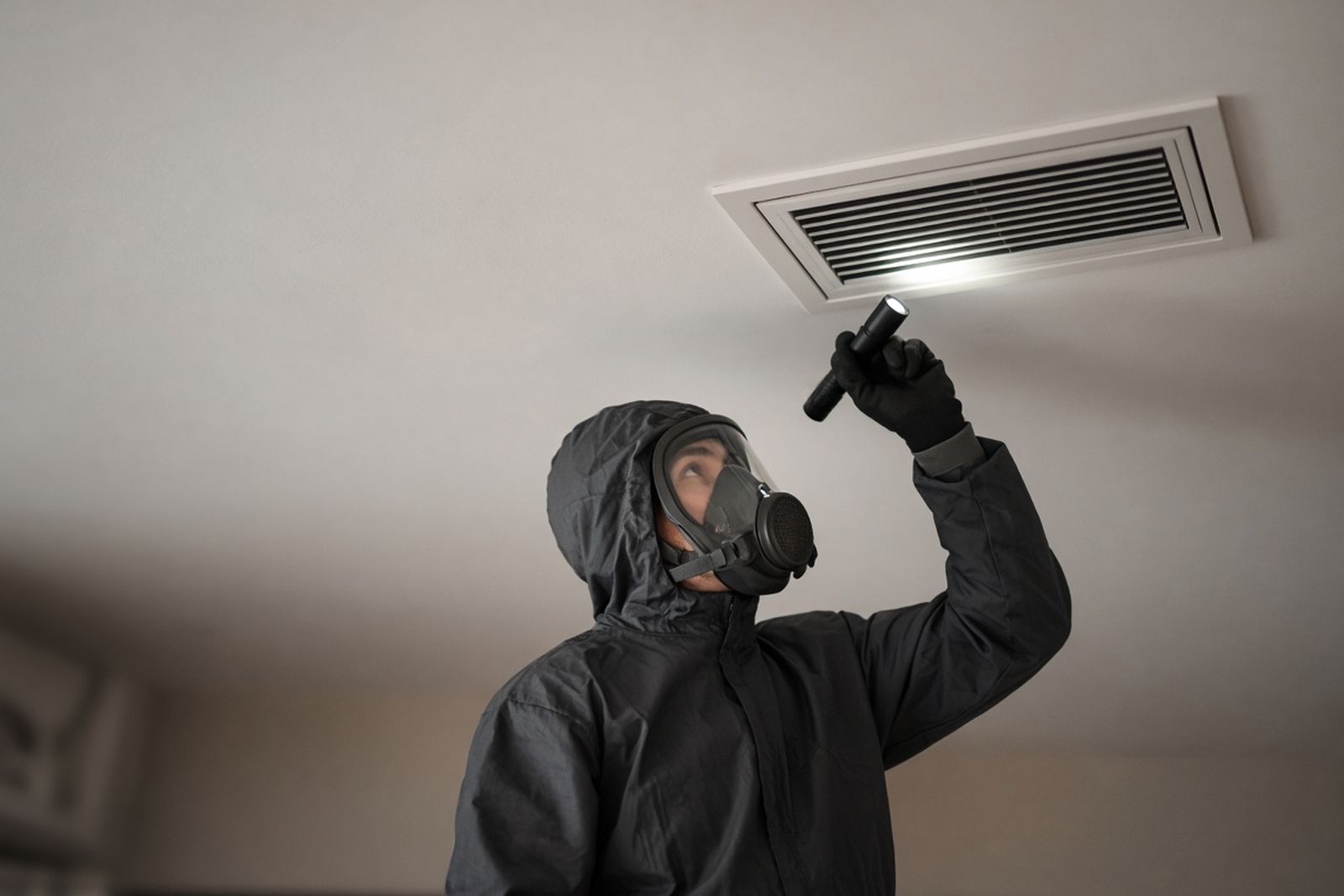
Every lasting odor fix starts with one question: what material is holding the smell? Professionals answer it with tools and by spotting patterns. UV light shows urine stains you cannot see in daylight. Moisture meters find damp drywall behind a musty wall. Inspection cameras look inside ducts and walls. The type of odor narrows the search. With a death odor, look wherever fluids went. With smoke, look at surfaces with residue and at the air handler. With sewage, follow the path of the backup. A provider who cannot say where the source is and how they confirmed it is guessing. A plan built on a guess tends to fail after the first humid week.
2Authority and ownership
Before any material is removed, someone must have the right to approve it. In a single-family home, that is the owner. In a rental, the tenant can report and clean. But tearing out building parts and repainting are up to the owner or manager, and the lease will say who pays. In a condo or apartment, the source may be in a neighbor's unit, a shared duct, or a shared wall. That means the association or management has to arrange access. In an estate, the executor usually signs. Make clear who can approve work and who will pay before a crew opens a floor. Undoing a tear-out no one approved is far harder than waiting a day for a signature.
3Containment and spread
Odor chemicals travel on air currents and on tiny particles. While the source is being found and removed, the goal is to keep them from settling in more places. That means turning off the forced-air system when you can, so the ducts stop spreading the smell. Close doors to rooms that are not affected. When material is being cut out, use air filters and plastic walls that keep dust inside the work area. Soft items like curtains, bedding, and stuffed furniture soak up odor fast. Moving them out of the smelly space early can save them. Keeping the problem contained is not exciting. But it is the difference between fixing one room and later finding the whole house needs treatment.
4Cleaning versus treatment
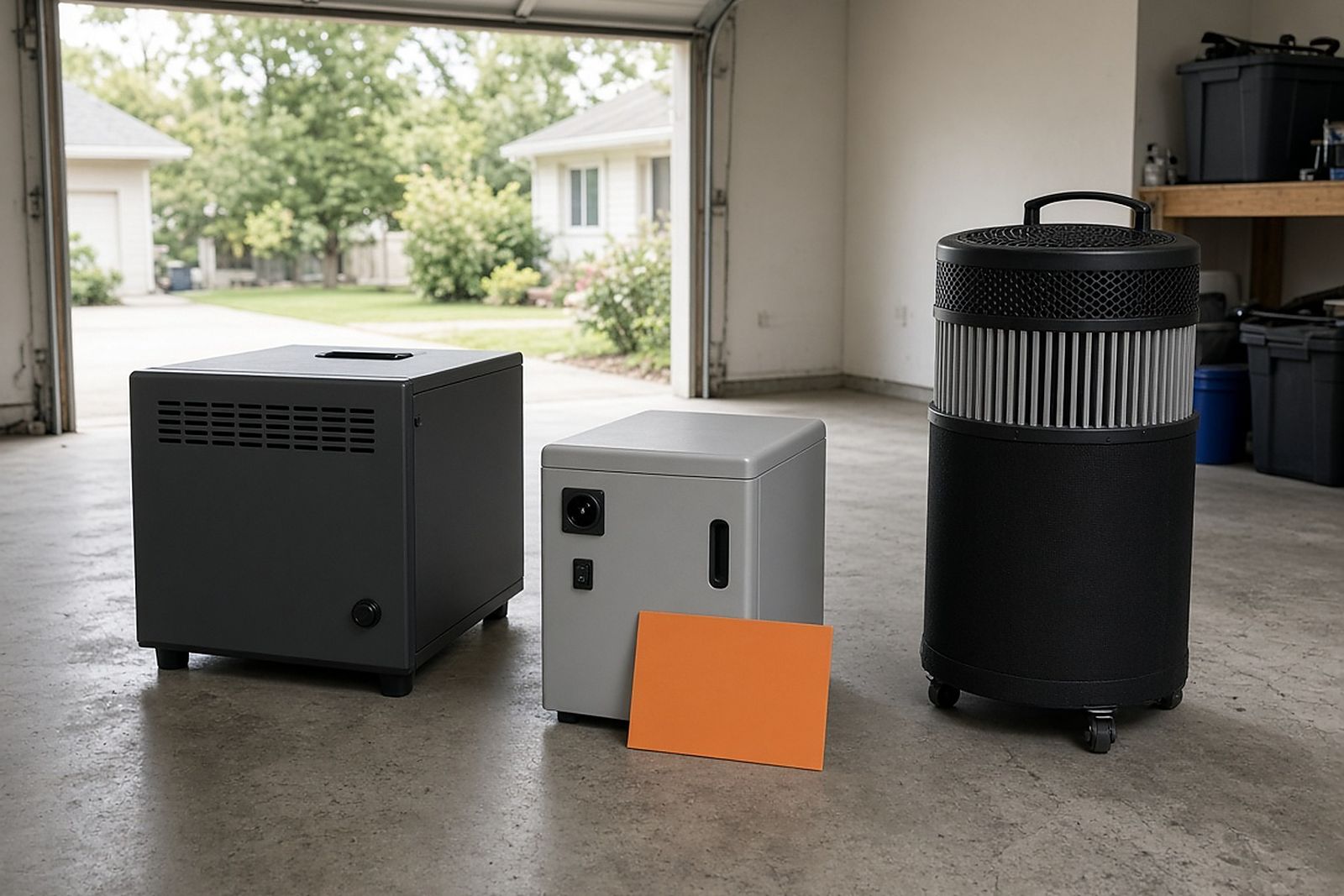
Cleaning removes residue. That means washing smoke film off walls, pulling urine out of a hard floor, or wiping soot off belongings. Treatment changes what is left. Enzymes break down urine chemicals. Hydroxyl machines and ozone break down odor chemicals in the air and on surfaces. Thermal fogging carries deodorizer into the same places smoke went. Treatment without cleaning is a mistake, because these machines cannot reach a source buried in pad or framing. Ozone in particular needs an empty building. It needs airing out before anyone comes back, and care around rubber and some plastics. Hydroxyl has different rules about who can be inside. Ask which method is planned, why it fits your odor, and when it is safe to go back in.
5The waste path
Material removed during an odor job has to go somewhere. Where it goes depends on what it is. Urine-soaked pad, smoke-damaged insulation, and regular belongings usually go out as building debris or bulk trash. Anything with blood or fluids from a death on it may be regulated medical waste. That needs licensed handling and a waste shipping record. Material soiled by sewage has its own handling rules. Rules vary by state and county, so check with the local office. A provider's scope of work should name the waste type for each kind of material and say who hauls it. A bag of soiled carpet at the curb can cause a rules problem and a neighbor complaint at the same time.
6Documentation and verification
An odor job is done when the source is confirmed gone, not when the room smells like deodorizer. Checking the work involves several things. You need photos of what was removed and moisture readings on the materials that stayed. You need a record of which filters were replaced. And you need a planned sniff test by more than one person after the building has been aired out, ideally after a humid day. Keep the written scope, bills, product names, and any lab results in one file. That record matters for an insurance claim and for a buyer who asks about the house's past. It matters in a deposit dispute between landlord and tenant. It also helps the provider if the smell comes back and the search has to start again.